Leaders Opinion
The Evolving Landscape of Sourcing and Procurement

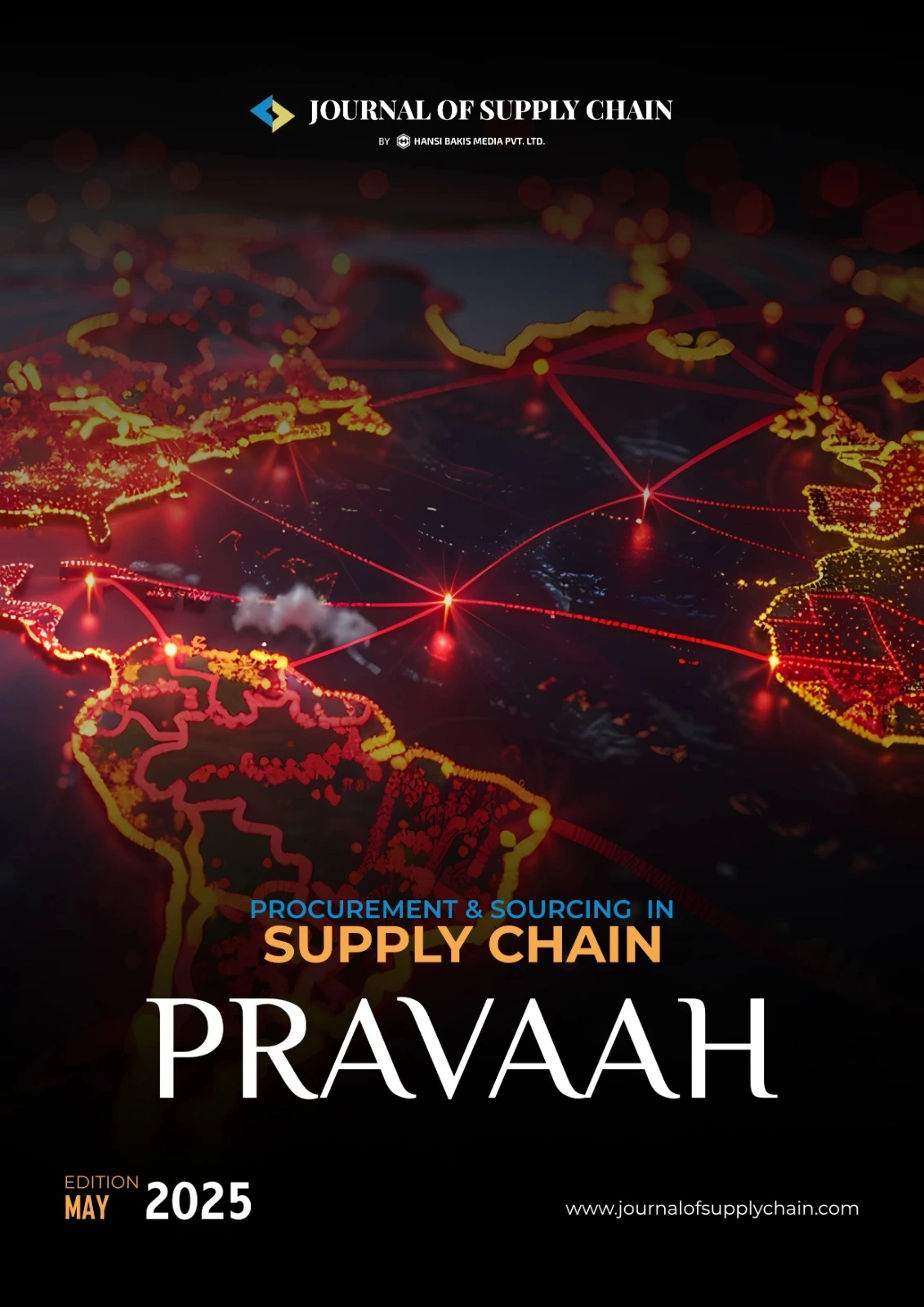
Sourcing and procurement have long been pivotal in ensuring business continuity, cost efficiency, and supplier reliability. However, the dynamics of global trade, digital transformation, and sustainability imperatives are reshaping the industry faster than ever. Organizations are now compelled to rethink their procurement strategies, leveraging technology, data analytics, and responsible sourcing to stay competitive. This article explores key trends, recent changes, and the future trajectory of sourcing and procurement, offering insights into how businesses can adapt to the evolving landscape.
Emerging Trends in Sourcing and Procurement
-
Digital Transformation & AI Integration
The integration of artificial intelligence (AI) and digital platforms in procurement is revolutionizing supplier selection, contract management, and spend analysis. AI-driven predictive analytics enhances demand forecasting, while automation streamlines procurement workflows, reducing manual intervention and errors. The rise of cloud-based procurement solutions has also enabled organizations to access real-time data for better decision-making.
-
Sustainability and Ethical Sourcing
Sustainability is no longer optional—it is an expectation from stakeholders and consumers alike. Companies are prioritizing ethical sourcing, focusing on fair labor practices, carbon footprint reduction, and supplier transparency. Many businesses are implementing Environmental, Social, and Governance (ESG) frameworks to align procurement practices with global sustainability goals.
-
Risk Mitigation and Resilient Supply Chains
The past few years have exposed vulnerabilities in global supply chains due to geopolitical tensions, economic shifts, and pandemic-related disruptions. Organizations are now emphasizing supplier diversification, nearshoring strategies, and robust contingency plans to minimize risks and ensure operational continuity. Digital risk management tools help track supplier dependencies and mitigate potential disruptions.
-
Data-Driven Decision Making
Procurement teams are increasingly relying on data analytics to optimize sourcing strategies. Spend analytics, supplier performance dashboards, and real-time tracking of procurement metrics enhance visibility and drive more informed purchasing decisions. Businesses leveraging data-driven procurement achieve better cost control, improved supplier relationships, and greater efficiency.
-
Supplier Collaboration & Strategic Partnerships
The traditional buyer-supplier relationship is evolving into a more collaborative model. Organizations are engaging in strategic partnerships with suppliers to drive innovation, enhance quality control, and optimize supply chain efficiency. Joint ventures, co-development agreements, and shared data platforms are fostering long-term, mutually beneficial relationships.
Transformations Reshaping Procurement Practices
The procurement function has undergone a profound transformation over the last decade, shifting from a cost-control mindset to a strategic enabler of business growth. Some of the key changes include:
-
From Cost Reduction to Value Creation: Procurement is no longer just about securing the lowest price. Companies are evaluating suppliers based on total value delivery, including innovation, sustainability, and reliability.
-
Automation and Self-Service Procurement: Traditional procurement processes are being replaced with self-service portals, allowing employees to order supplies with predefined approvals, reducing administrative overhead.
-
Blockchain for Procurement Transparency: Blockchain technology is gaining traction in procurement, offering enhanced security, traceability, and fraud prevention in supplier transactions and contract management.
-
Diversity and Inclusion in Supplier Networks: Organizations are actively expanding their supplier base to include diverse, minority-owned, and small-business vendors, creating a more equitable and inclusive procurement landscape.
Conference

Conference

Future Outlook for Sourcing and Procurement
Looking ahead, sourcing and procurement will continue to evolve, driven by technological advancements, regulatory pressures, and market demands. Key predictions for the future include:
-
AI-Powered Procurement Assistants: AI-driven chatbots and intelligent assistants will streamline purchase requests, supplier inquiries, and compliance checks.
-
Circular Economy & Green Procurement: Companies will move toward closed-loop supply chains, emphasizing reuse, recycling, and sustainable material sourcing.
-
Hyper-Personalization in Supplier Management: Procurement teams will shift towards tailored supplier strategies, using AI and analytics to match vendors based on dynamic market conditions.
-
Decentralized Procurement Models: The rise of blockchain and smart contracts could enable decentralized procurement, reducing intermediaries and fostering direct supplier-buyer interactions.
Sourcing and procurement are undergoing a fundamental shift—from transactional functions to strategic drivers of business success. Organizations that embrace digitalization, sustainability, and data-driven insights will thrive in an increasingly competitive and uncertain global market. As procurement continues to evolve, businesses must stay agile, foster collaborative partnerships, and leverage innovative technologies to unlock new growth opportunities while ensuring resilient supply chains.
Explore the latest edition of Journal of Supply Chain Magazine and be part of the JOSC News Bulletin.
Discover all our upcoming events and secure your tickets today.
Journal of Supply Chain is a Hansi Bakis Media brand.
Leave Comment
Join the community of 150,000+ industry professionals
Subscribe to our Daily Newsletter
Subscribe For FreeBy continuing you agree to our Privacy Policy & Terms & Conditions
Latest







Feature Articles




Related